





















One Team, One Workflow: Capturing Fee-for-Service and Value-Based Care Using Concurrent Coding
Introduction
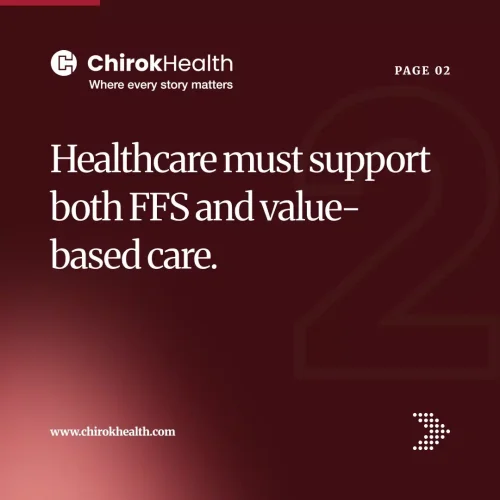
Healthcare organizations today operate within two fundamentally different reimbursement models: fee-for-service (FFS) and value-based care (VBC).
While these models measure performance differently, both rely heavily on accurate documentation and coding. Under fee-for-service reimbursement, healthcare providers are paid based on the volume and complexity of services delivered. Every diagnosis, procedure, and clinical encounter must be coded accurately to ensure appropriate reimbursement.
Value-based care, on the other hand, focuses on patient outcomes, risk adjustment accuracy, and quality performance. Diagnoses reported in the medical record influence patient risk scores, quality metrics, and overall reimbursement levels. Many healthcare organizations attempt to manage these two reimbursement models using separate workflows and disconnected teams.
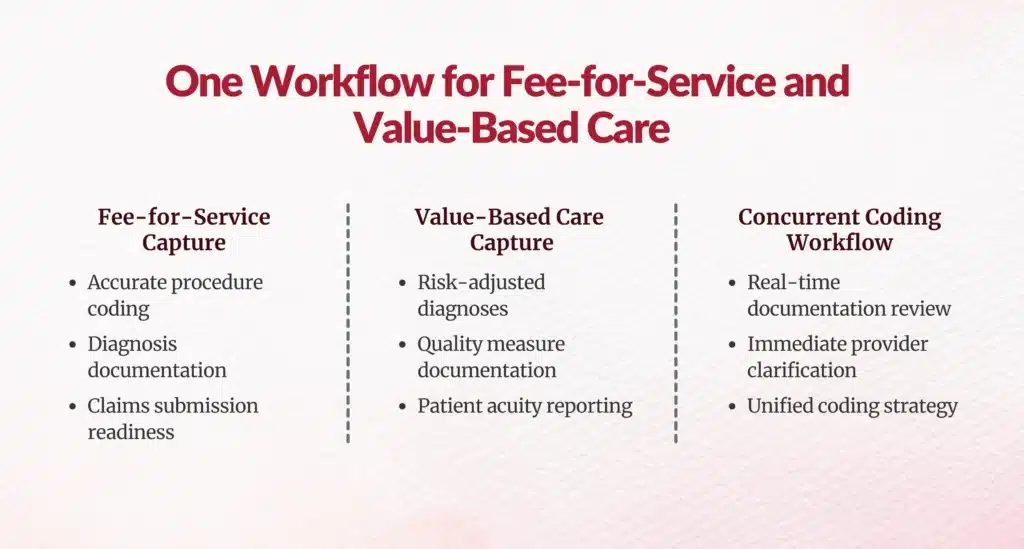
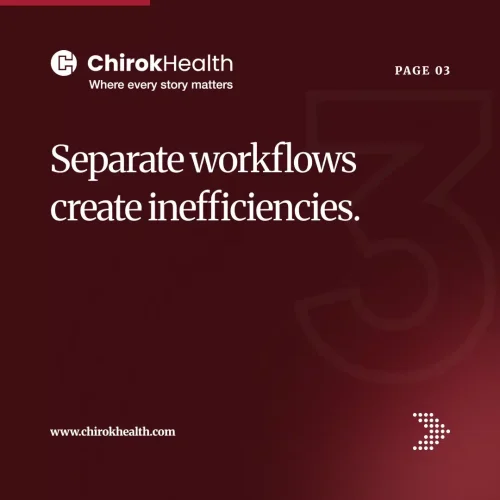
Coding teams focus on claims submission for fee-for-service encounters, while quality teams and risk adjustment teams manage documentation for value-based care programs. This fragmented approach often creates inefficiencies, documentation gaps, and missed opportunities for accurate reimbursement. Concurrent coding offers a different solution. By reviewing documentation during or immediately after the patient encounter, concurrent coding enables organizations to capture accurate diagnoses, procedures, and clinical details in real time. This approach ensures that documentation supports both fee-for-service billing requirements and value-based care performance metrics.
Instead of managing two separate processes, healthcare organizations can create one integrated workflow supported by a single coordinated team. In this article, we explore how concurrent coding enables healthcare organizations to capture both fee-for-service and value-based care performance through a unified operational strategy.
What Is Concurrent Coding?
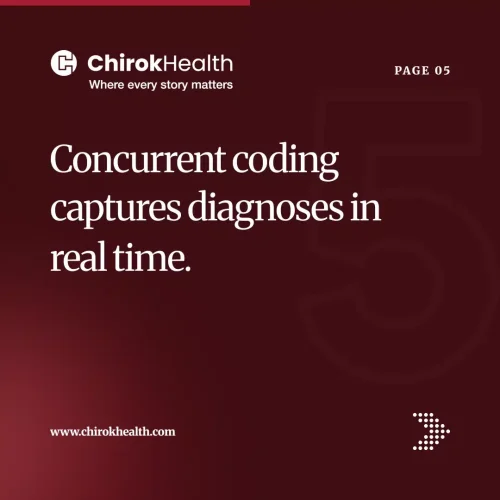
Concurrent coding is the process of reviewing and coding clinical documentation while the patient encounter is still active or immediately after it occurs.
Unlike retrospective coding, which takes place days or weeks after discharge, concurrent coding allows coders and clinical documentation specialists to review documentation in real time.
During this process, coding professionals analyze the clinical record to ensure that diagnoses, procedures, and treatment details are accurately documented and properly coded.
If documentation gaps or ambiguities are identified, queries can be sent to providers while the encounter is still fresh in their memory. This allows clinicians to clarify documentation quickly and ensures that the final medical record accurately reflects the patient’s condition and the care delivered.
Concurrent coding improves the quality and completeness of documentation while reducing delays in the coding and billing process.
More importantly, it creates a workflow that supports both fee-for-service billing requirements and value-based care documentation needs.
Why Healthcare Organizations Struggle with Separate FFS and VBC Workflows?
Many healthcare organizations developed their operational structures during a time when fee-for-service reimbursement dominated the healthcare landscape. As value-based care programs expanded, organizations often added new teams and processes rather than redesigning existing workflows.
This resulted in separate operational structures:
- Revenue cycle teams managing FFS claims
- Risk adjustment teams managing diagnosis capture
- Quality teams tracking performance metrics
- Clinical documentation integrity teams improving provider documentation
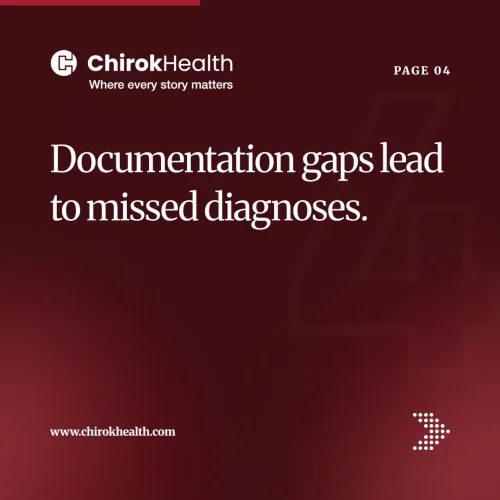
While each team performs an important role, fragmented workflows often lead to misalignment between documentation, coding, and reimbursement processes. Several challenges commonly arise. Documentation may support billing requirements but fail to capture diagnoses necessary for accurate risk adjustment. Risk adjustment programs may identify documentation opportunities long after the encounter has occurred, making it difficult to obtain provider clarification. Quality measures may rely on documentation that was never captured during the visit. These disconnects create inefficiencies that affect both reimbursement models. Concurrent coding helps solve this problem by aligning documentation and coding processes across teams.
12 Ways Concurrent Coding Enables One Workflow for FFS and VBC
1. Captures Diagnoses in Real Time
Real-time diagnosis capture is one of the most important advantages of concurrent coding. When coding occurs during or immediately after the patient encounter, coders can review documentation while clinical details remain fresh in the provider’s memory. If a diagnosis is documented but not clearly supported, coders can request clarification before the record is finalized.
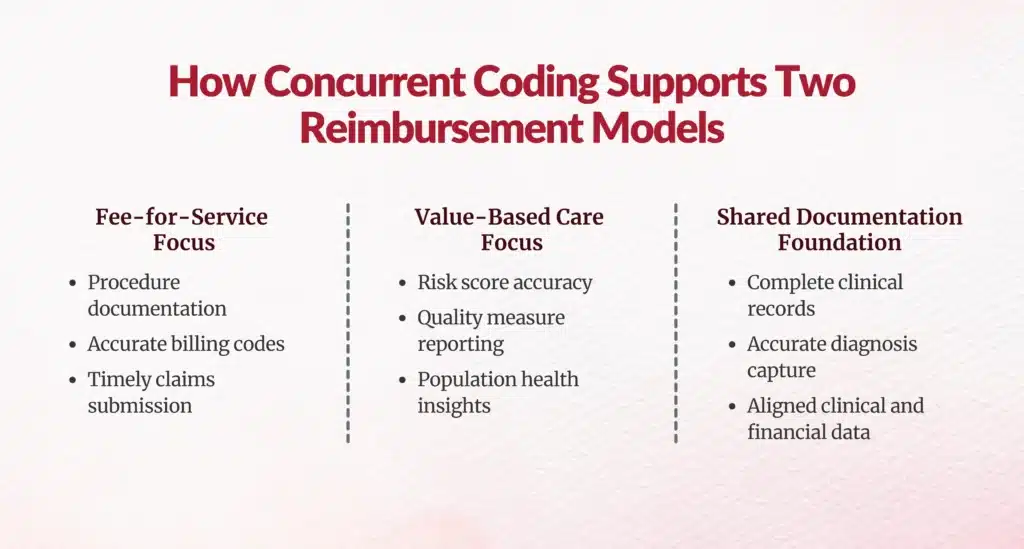
This ensures that the final documentation accurately reflects the patient’s condition and that all relevant diagnoses are captured. For fee-for-service billing, this improves reimbursement accuracy. For value-based care programs, it ensures that risk-adjusted diagnoses are properly documented and coded.
2. Improves Documentation Completeness
Incomplete documentation is one of the most common causes of coding inaccuracies. When documentation gaps are identified weeks after an encounter, providers may struggle to recall specific clinical details.
Concurrent coding allows documentation queries to be issued immediately, giving providers the opportunity to clarify details while the patient encounter is still recent. Over time, this feedback loop improves provider documentation habits and strengthens the overall quality of clinical records. Better documentation supports both claims processing and quality reporting.
3. Supports Accurate Fee-for-Service Billing
In fee-for-service reimbursement models, coding accuracy directly determines how much organizations are paid for services delivered.
Concurrent coding allows coders to verify procedure codes, diagnosis codes, and documentation support before claims are finalized. This reduces coding errors that could lead to underpayment or claim denials.
By improving coding accuracy at the time of documentation, organizations can accelerate claim submission and reduce billing delays.
4. Strengthens Risk Adjustment Accuracy
Value-based care reimbursement models often rely on risk adjustment methodologies to account for patient complexity. Risk adjustment programs depend on accurate diagnosis capture supported by clinical documentation.
Concurrent coding ensures that risk-adjusted diagnoses are documented and coded during the patient encounter rather than identified months later. This significantly improves the accuracy of risk scores used to calculate reimbursement.
5. Reduces Retrospective Chart Review Burden
Organizations that rely heavily on retrospective review often face significant operational burdens. Risk adjustment teams may review thousands of records months after encounters occur to identify missed diagnoses.
Concurrent coding reduces the need for extensive retrospective review by capturing diagnoses earlier in the workflow. This allows organizations to shift resources from reactive record review to proactive documentation improvement.
6. Improves Coding Accuracy
Coding accuracy improves significantly when documentation is reviewed during the encounter. Coders have direct access to clinicians for clarification, reducing the likelihood of incorrect code selection.
Accurate coding benefits both reimbursement models. Fee-for-service claims reflect the services delivered, while value-based care programs receive accurate diagnosis reporting.
7. Strengthens Provider Engagement
Provider engagement is critical for successful documentation improvement programs. Concurrent coding fosters collaboration between clinicians and coding professionals.
Instead of receiving queries weeks after encounters, providers receive immediate feedback that helps them improve documentation practices. This collaboration strengthens the relationship between clinical and coding teams.
8. Improves Quality Reporting
Many value-based care programs rely on quality metrics tied to clinical documentation. If documentation does not clearly capture patient conditions or treatment decisions, quality measures may not reflect the care delivered. Concurrent coding ensures that relevant documentation is captured during the encounter, improving the accuracy of quality reporting.
9. Accelerates Revenue Cycle Performance
Delayed coding often delays claims submission and reimbursement. Concurrent coding shortens the time between patient encounters and claim generation. Faster coding workflows allow organizations to submit claims more quickly and receive reimbursement sooner.
10. Enhances Compliance
Regulatory agencies expect diagnoses and procedures to be supported by clear documentation. Concurrent coding ensures documentation aligns with coding guidelines before claims are submitted. This reduces compliance risk and strengthens audit readiness.
11. Aligns Clinical and Financial Data
Healthcare leaders rely on clinical and financial data to guide operational decisions. When documentation, coding, and billing processes operate separately, data inconsistencies often arise. Concurrent coding helps ensure that clinical documentation and financial data remain aligned.
12. Creates a Unified Workflow
Ultimately, concurrent coding enables healthcare organizations to move away from fragmented processes. Instead of maintaining separate teams for fee-for-service and value-based care documentation, organizations can create a single coordinated workflow.
This unified approach improves efficiency while supporting both reimbursement models.
Conclusion
Healthcare reimbursement models continue to evolve as organizations transition from volume-based care to value-based performance. Yet many healthcare systems still rely on fragmented workflows designed for a purely fee-for-service environment.
Managing separate processes for billing, risk adjustment, and quality reporting creates inefficiencies that affect documentation accuracy and financial performance. Concurrent coding provides a practical solution. By reviewing documentation during or immediately after the patient encounter, concurrent coding ensures that diagnoses, procedures, and clinical details are captured accurately in real time.
This approach supports both fee-for-service billing requirements and value-based care performance metrics. Instead of operating separate teams and workflows, healthcare organizations can implement one coordinated documentation and coding strategy that improves accuracy, strengthens compliance, and protects revenue integrity.
As healthcare reimbursement models continue to evolve, organizations that adopt unified workflows supported by concurrent coding will be better positioned to capture the full value of the care they deliver.
FAQs
1. What is concurrent coding?
Concurrent coding is the process of reviewing and coding clinical documentation during or immediately after a patient encounter.
2. How does concurrent coding support fee-for-service billing?
Concurrent coding ensures procedures and diagnoses are accurately documented and coded before claims submission, reducing billing errors.
3. Why is concurrent coding important for value-based care?
Concurrent coding helps capture risk-adjusted diagnoses and documentation needed for quality reporting and performance measurement.
4. Does concurrent coding reduce retrospective reviews?
Yes. By capturing diagnoses in real time, concurrent coding reduces the need for extensive retrospective chart reviews.
5. Who participates in concurrent coding workflows?
Concurrent coding typically involves coders, clinical documentation specialists, clinicians, and revenue cycle teams working collaboratively.
Author Bio:

Kanar Kokoy
CEO - Chirok Health
Healthcare CEO & CDI/RCM innovator. I help orgs boost accuracy, integrity & revenue via truthful clinical docs. I've led transformations in CDI, coding, AI solutions, audits & VBC for health systems, ACOs & more. Let's connect to modernize workflows.